
What to Do If a Debt Collector Is Contacting You
What to Do If a Debt Collector Is Contacting You
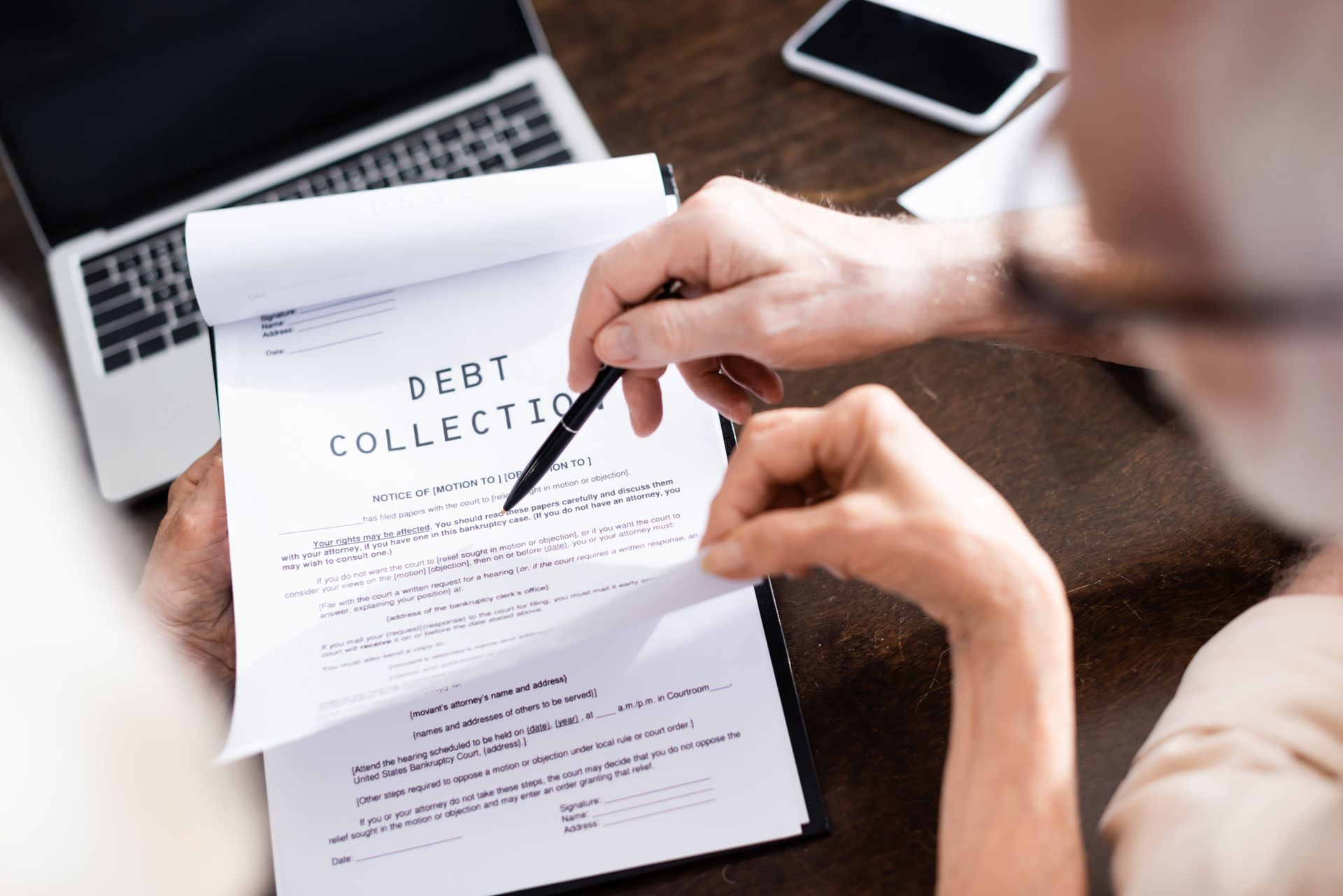
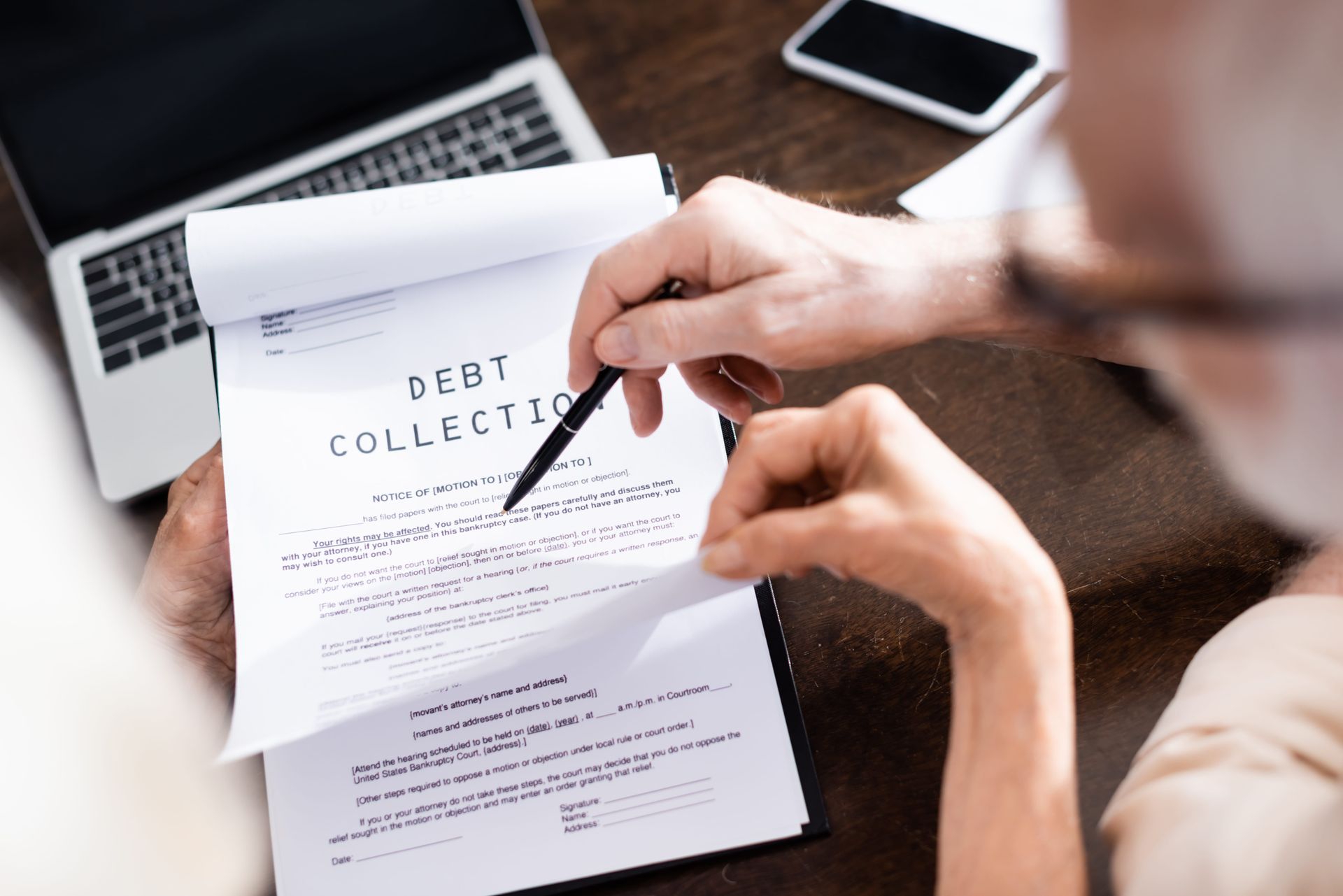
If a debt collector is calling, texting, or sending letters, it can feel overwhelming.
The most important thing to understand is that you have rights, and there are clear rules debt collectors must follow when trying to collect a debt.
Stay Calm and Do Not Ignore It
It may be tempting to ignore a debt collector, but that can make the situation worse—especially if the debt is legitimate.
Instead:
- Take note of who is contacting you
- Keep records of all communication
- Avoid making immediate payments without verifying the debt
Verify the Debt First
Before taking any action, make sure the debt is valid.
You have the right to request a debt validation letter, which should include:
- The amount owed
- The name of the original creditor
- Information on how to dispute the debt
If something doesn’t look right, you can dispute it.
Know Your Rights Under the Law
The Fair Debt Collection Practices Act (FDCPA) protects you from abusive or unfair practices.
Debt collectors cannot:
- Harass or threaten you
- Call repeatedly to annoy you
- Contact you at unreasonable hours
- Misrepresent the amount you owe
- Use false or misleading statements
Communicate Carefully
If you choose to speak with a debt collector:
- Do not admit the debt without verification
- Avoid agreeing to payments right away
- Keep your responses brief and factual
- Request written communication when possible
Put Your Requests in Writing
You have the right to:
- Request verification of the debt
- Dispute the debt
- Ask the collector to stop contacting you
Submitting requests in writing creates a record and can help protect you.
What If a Debt Collector Is Harassing You?
If a debt collector crosses the line, you may have legal options.
Harassment may include:
- Threatening language
- Repeated or excessive calls
- Contacting you after you’ve requested they stop
In some cases, you may be able to take legal action.
Can a Debt Collector Sue You?
Yes, a debt collector may file a lawsuit to collect a debt.
If you receive court papers:
- Do not ignore them
- Respond within the required timeframe
- Seek legal guidance immediately
Ignoring a lawsuit can result in a default judgment.
Common Mistakes to Avoid
- Ignoring collection notices
- Paying without verifying the debt
- Providing personal or financial information too quickly
- Missing court deadlines
Taking the wrong step early can limit your options later.
When to Speak With a Lawyer
You should consider speaking with an attorney if:
- You are being harassed
- You believe the debt is incorrect
- You’ve been sued
- You’re unsure how to respond
Legal guidance can help you understand your options and protect your rights.
How Gulf Coast Lawyer Can Help
At Gulf Coast Lawyer, we help individuals deal with debt collection issues and understand their legal rights.
We can:
- Review your situation
- Help you respond to collectors
- Defend you in a lawsuit if necessary
- Identify violations of consumer protection laws
Take the Next Step
If a debt collector is contacting you, don’t wait to understand your options.